

Overview of Plant Breeding Division
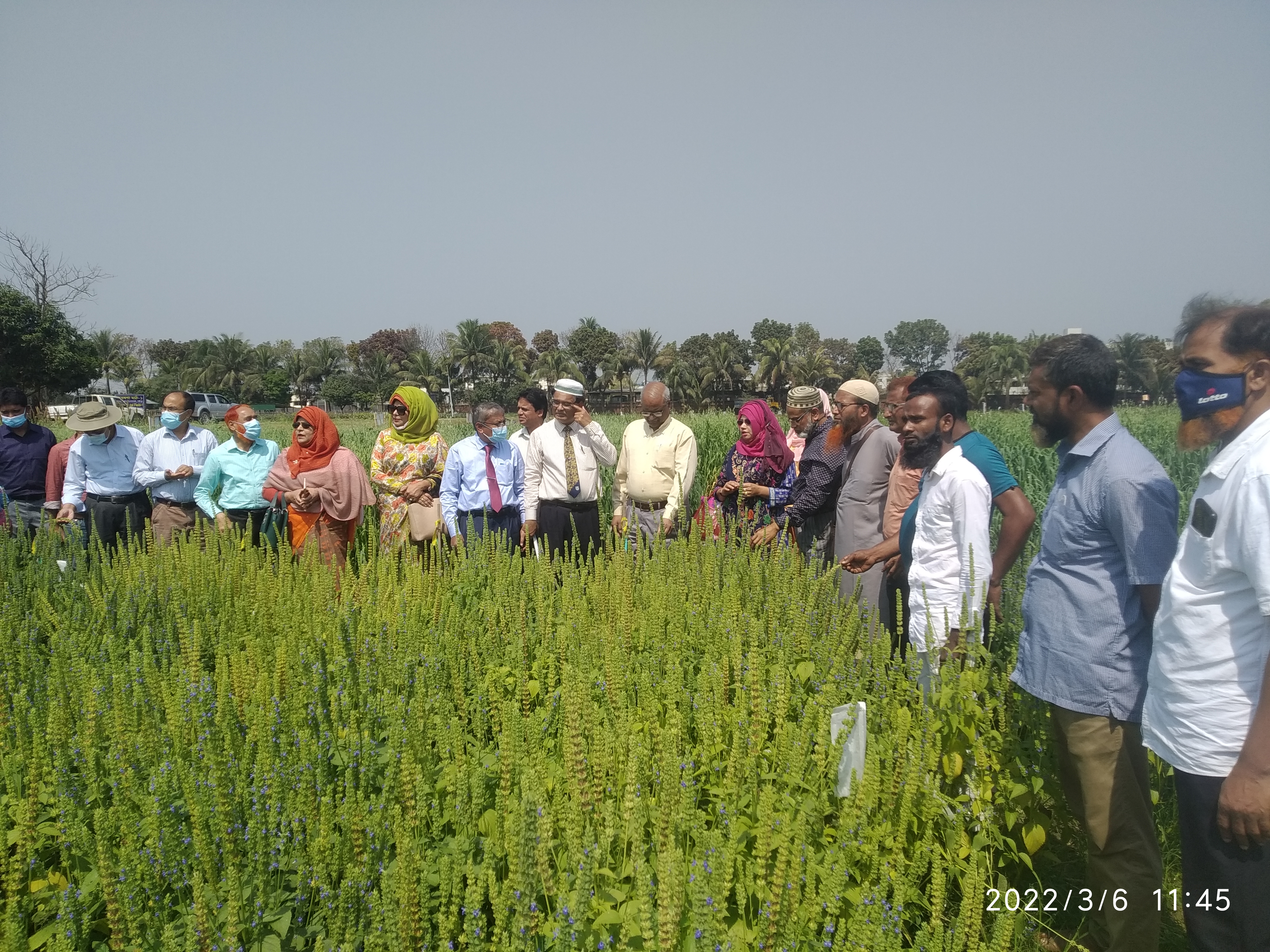
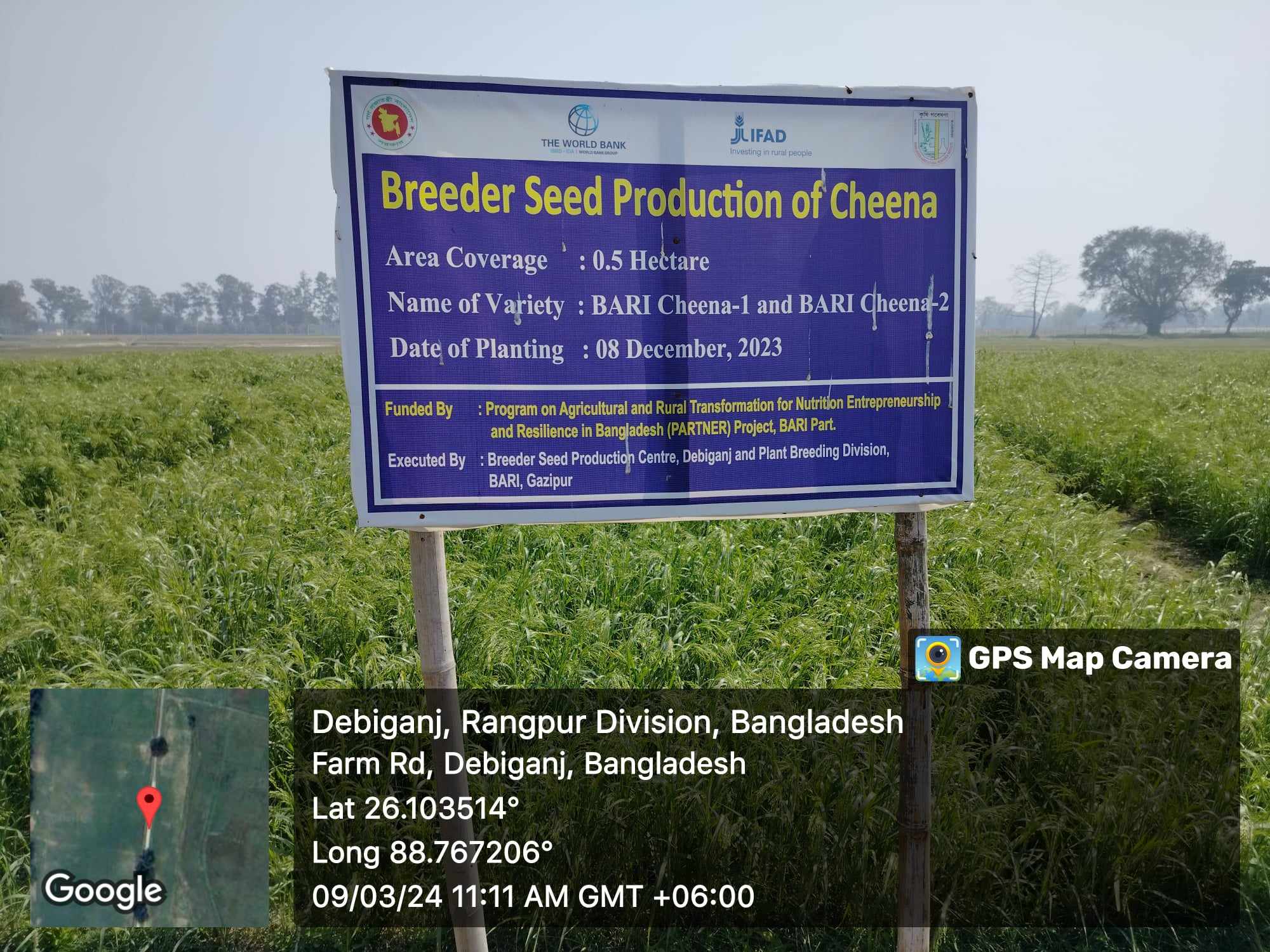
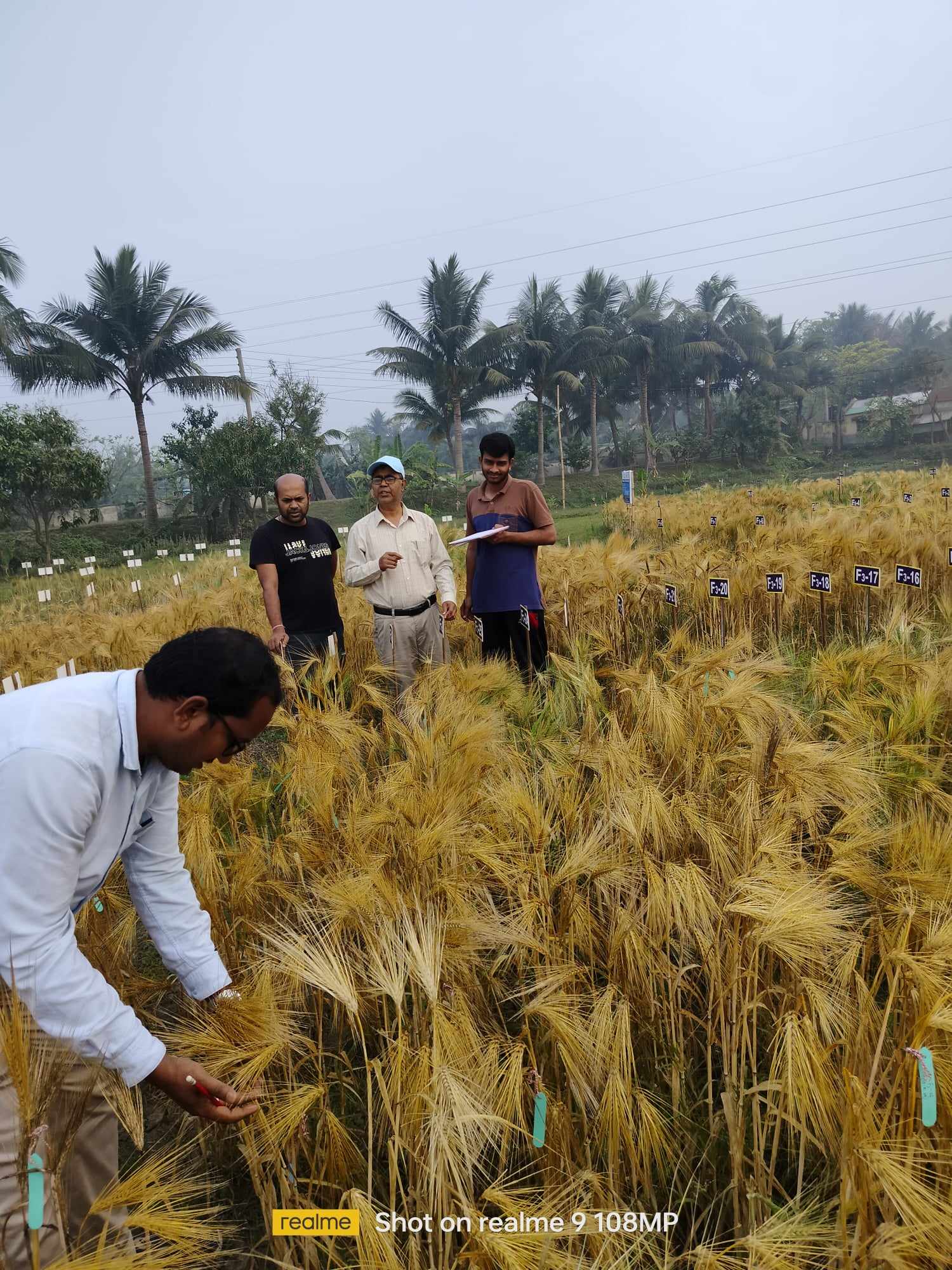
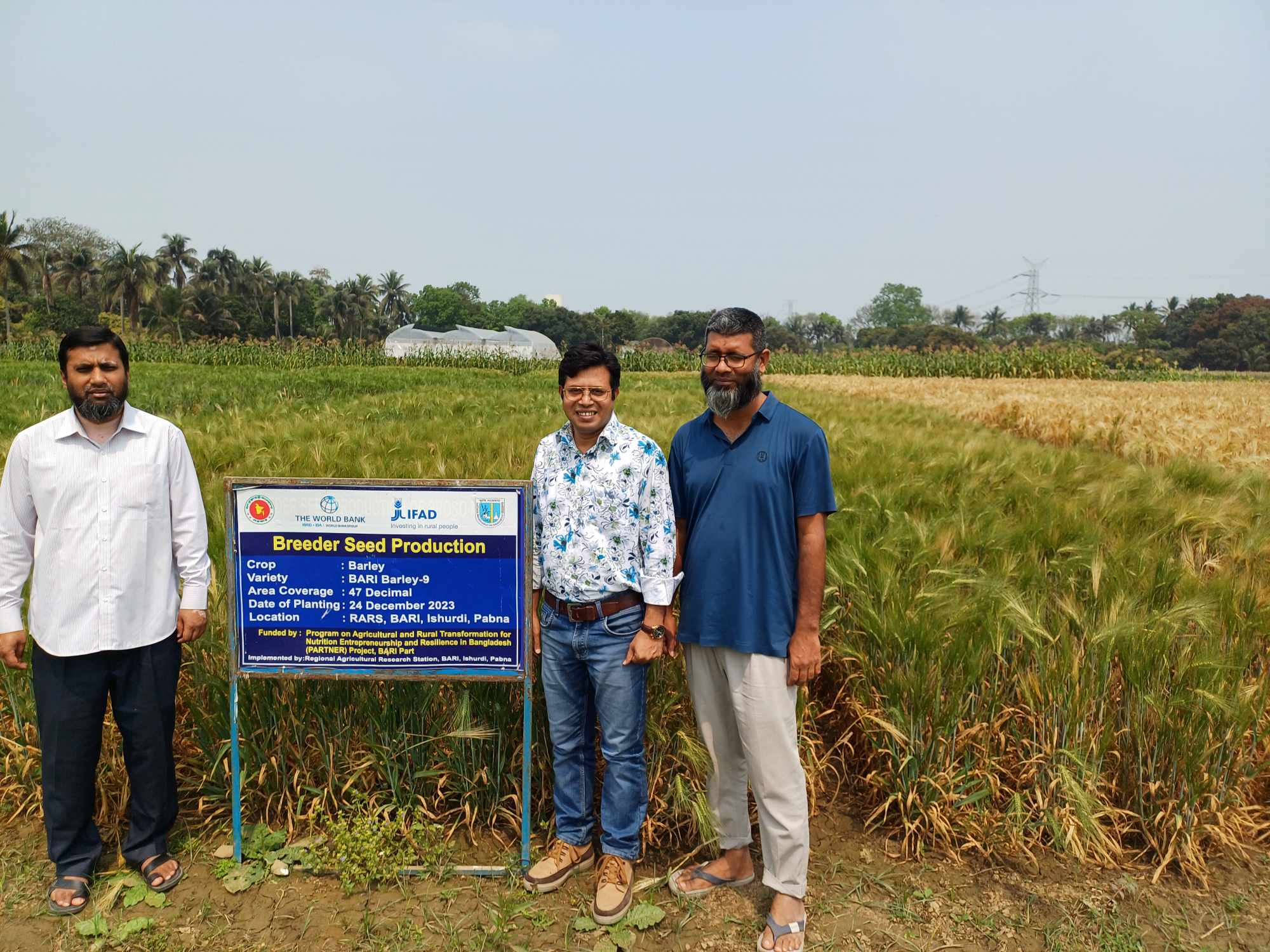
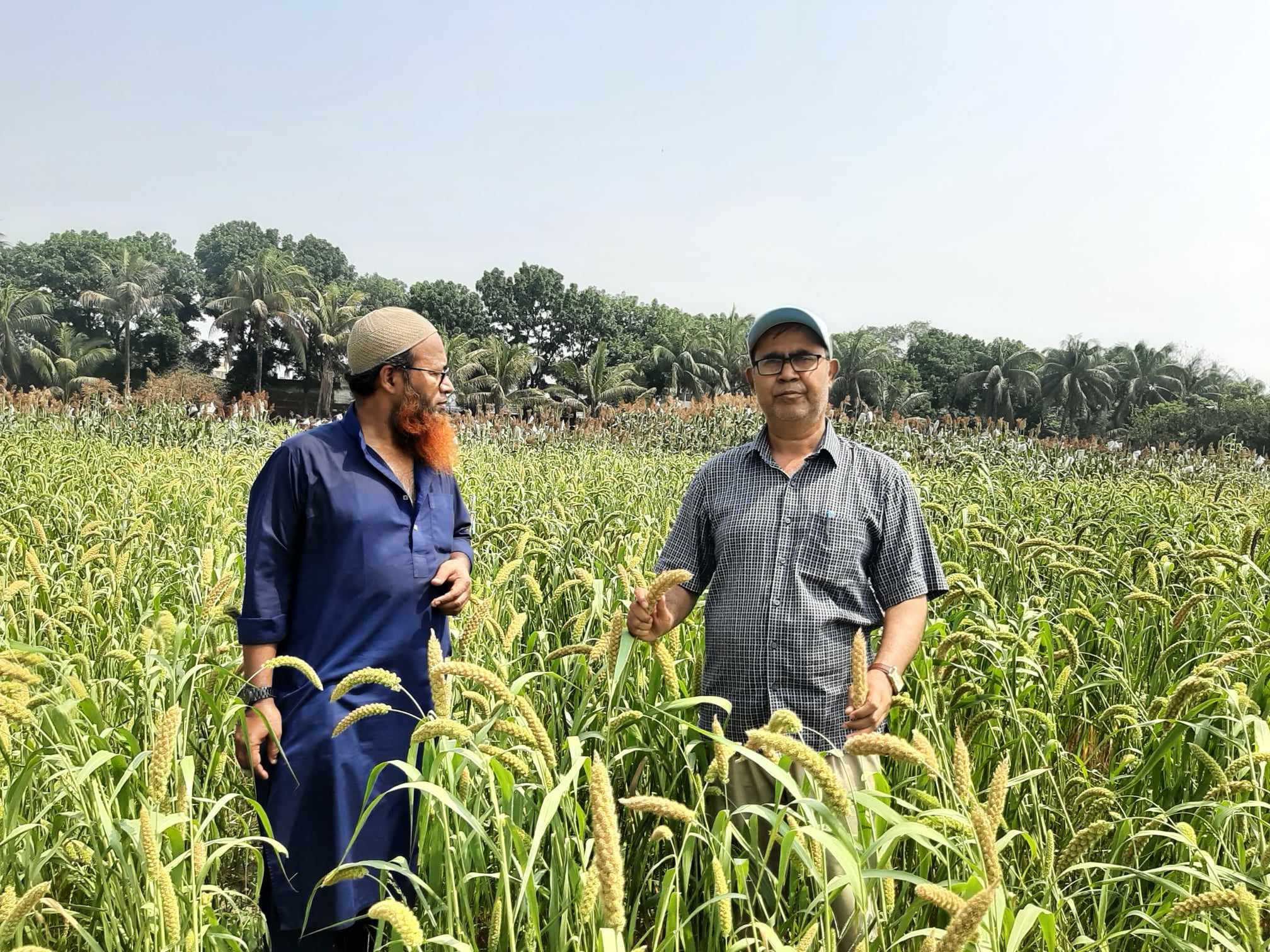
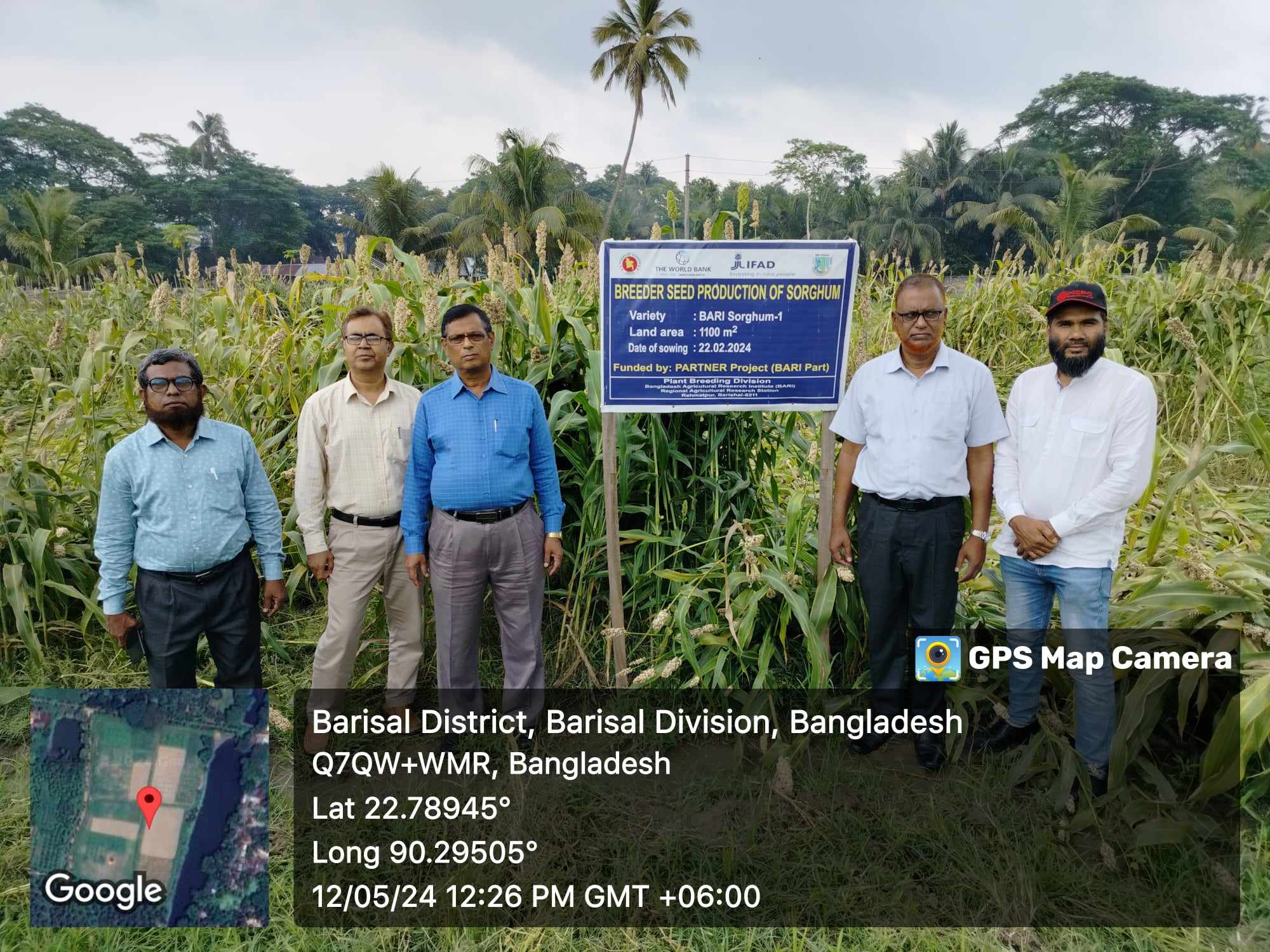
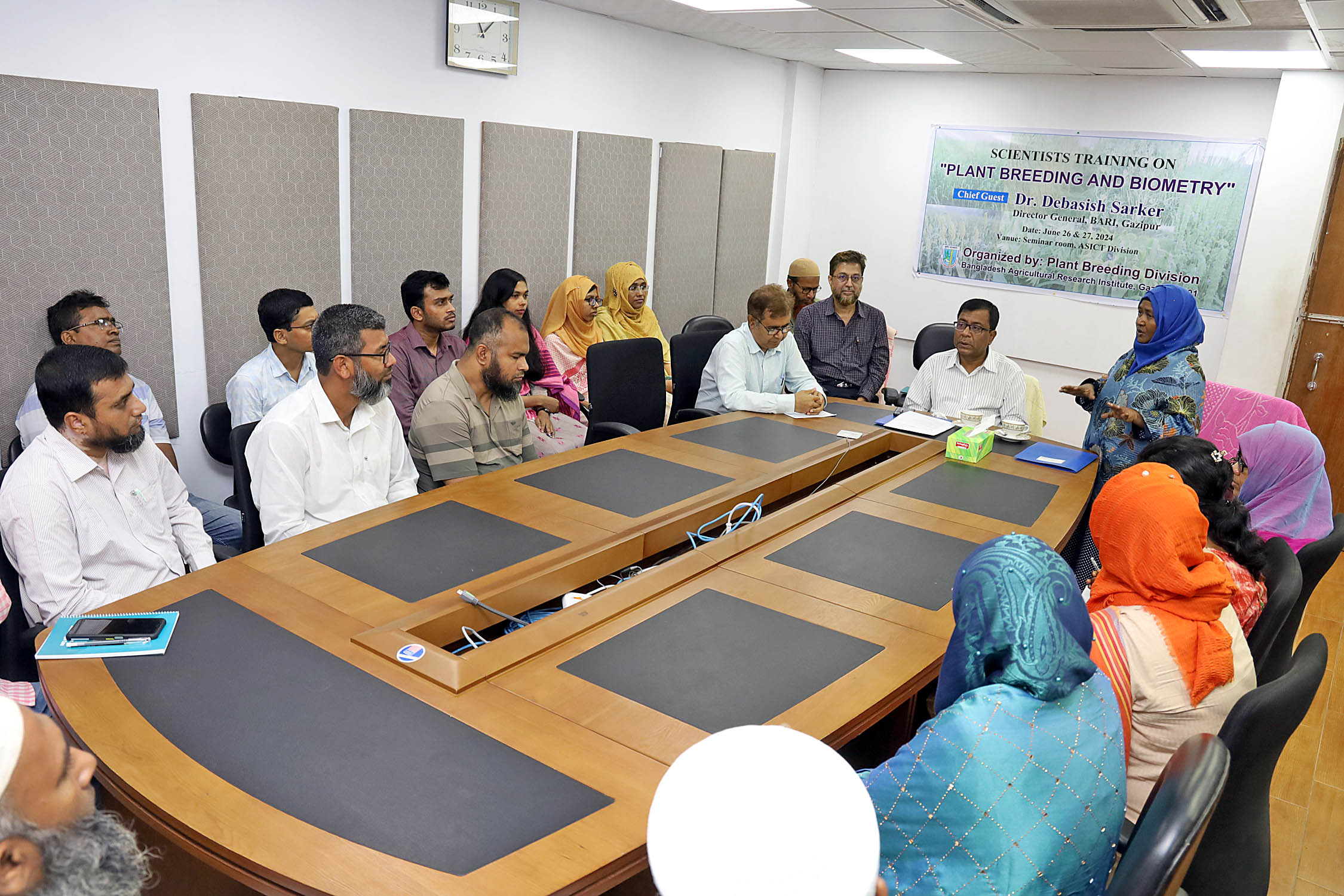
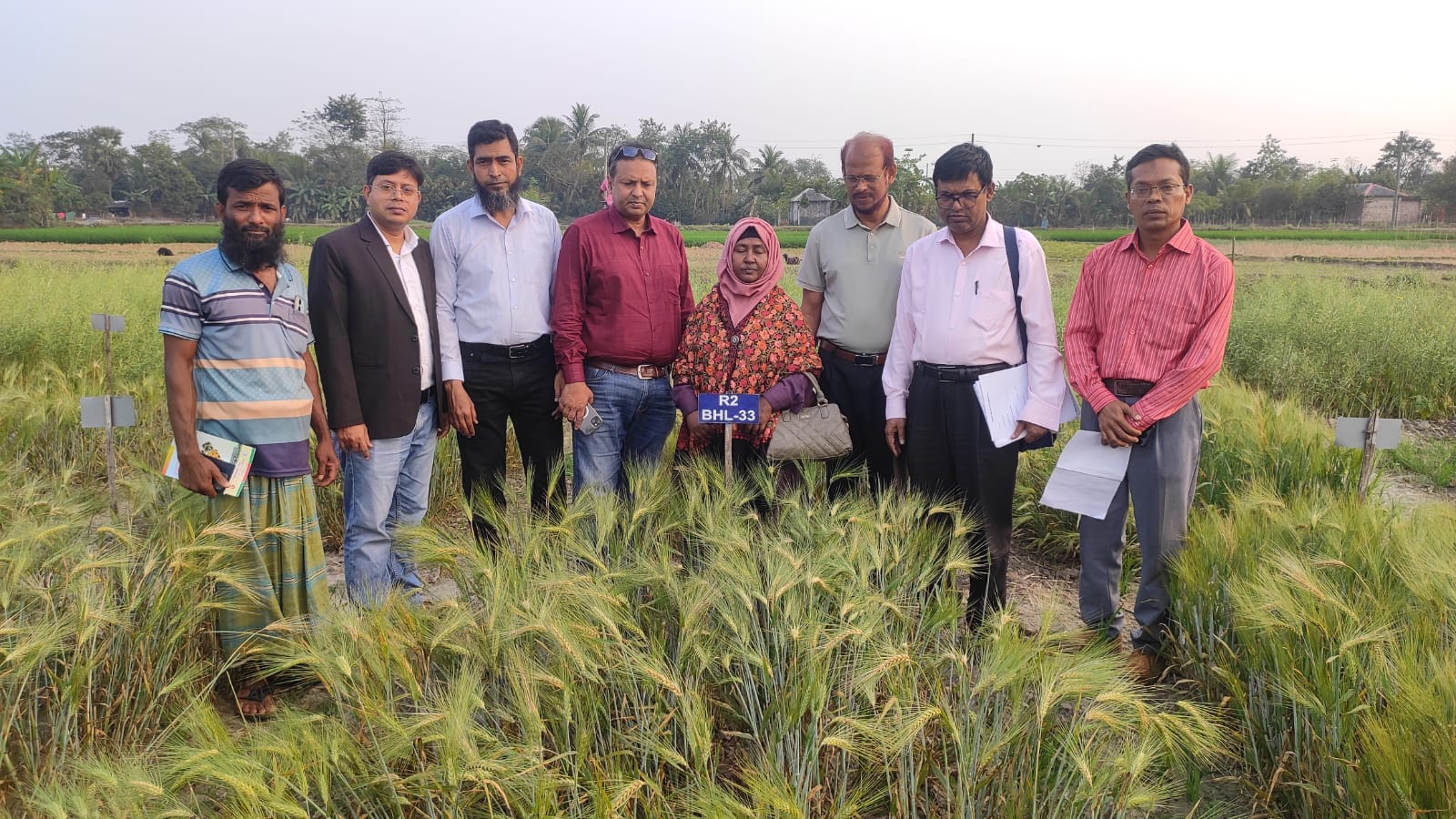
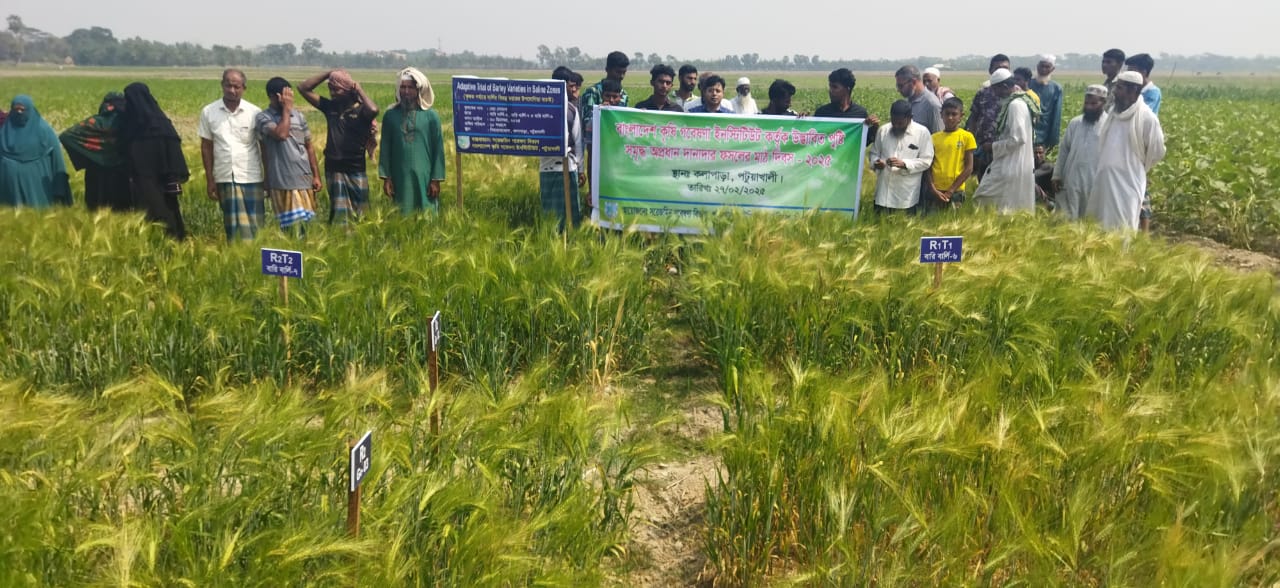
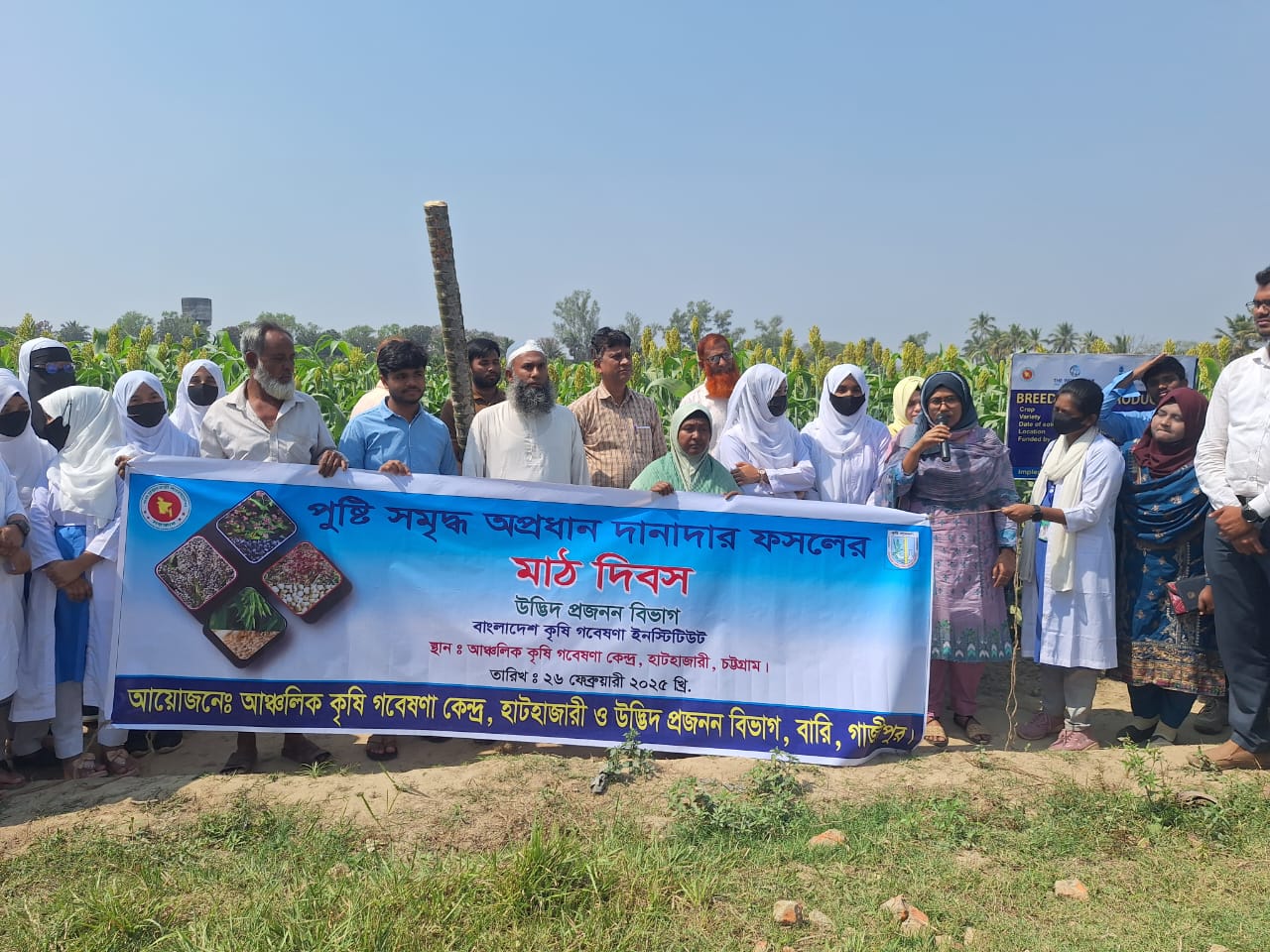
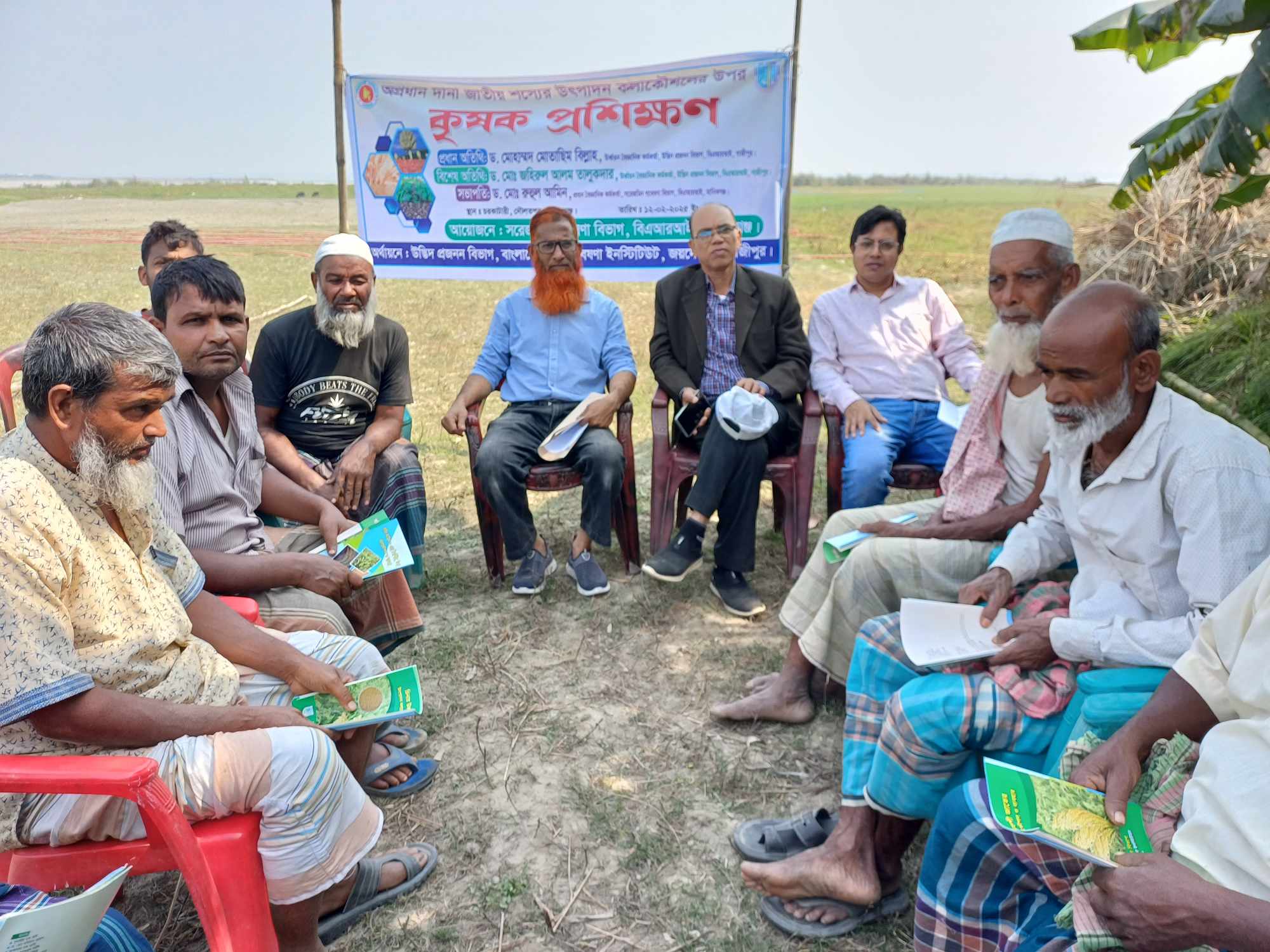
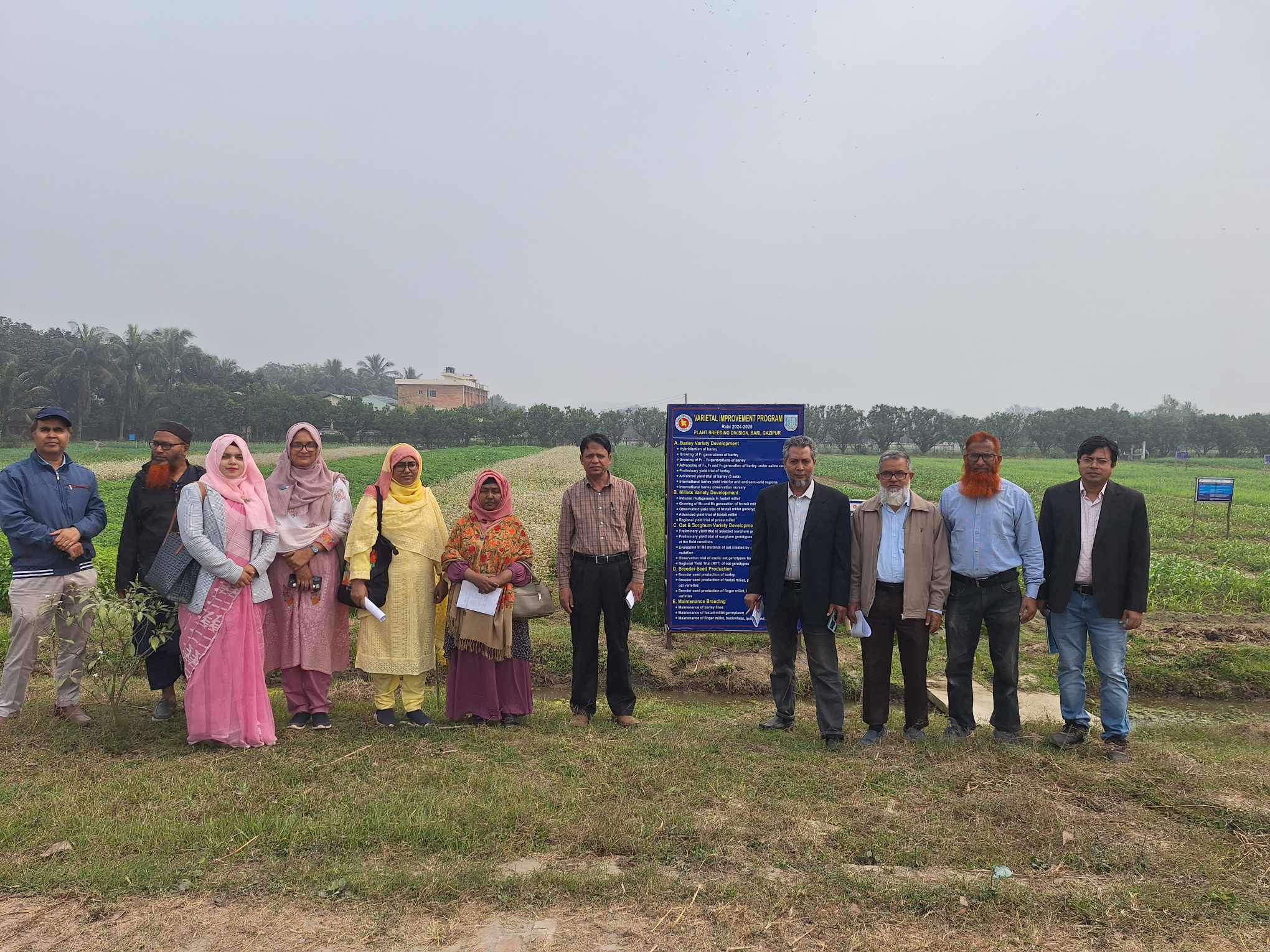
The Plant Breeding Division (PBD) is one of the oldest and most potential divisions of the Bangladesh Agricultural Research Institute (BARI), leading varietal development research on barley, foxtail millet, proso millet, finger millet, sorghum, buckwheat, oats, chia, and quinoa. In addition, three new crops—papaya, cucumber, and coffee—have recently been added to the division’s research portfolio. The Plant Breeding Division promotes sustainable agricultural development in Bangladesh through collaborative, demand-driven, and responsive research. The division maintains strong collaborations with international organizations such as ICARDA and ICRISAT, as well as national organizations including DAE, BADC, and all agricultural universities of the country. The research mandate of the division is to develop improved varieties and appropriate production technologies of these field crops for the benefit of farmers and the nation, with special emphasis on drought-prone, char, and saline areas.
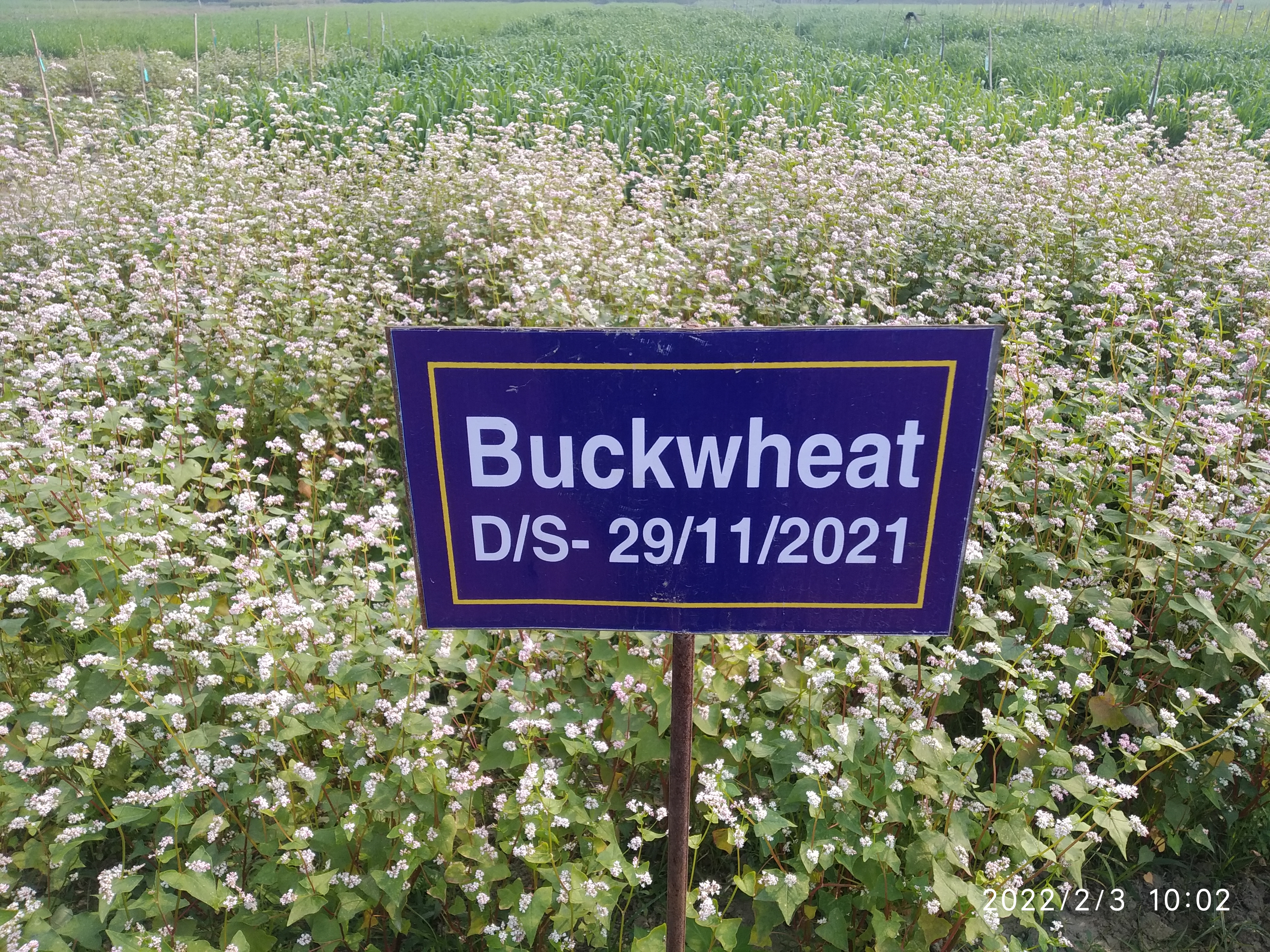
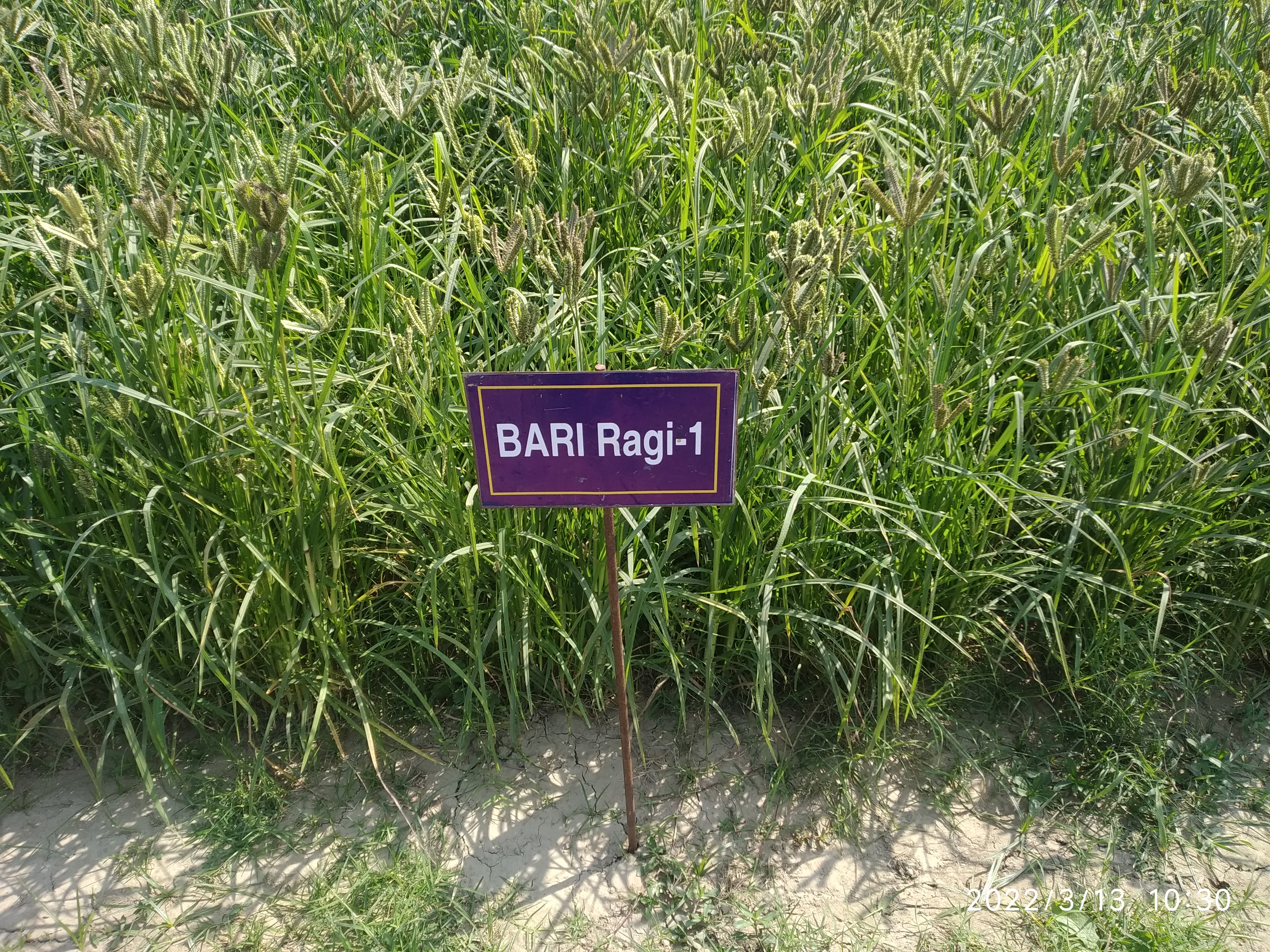
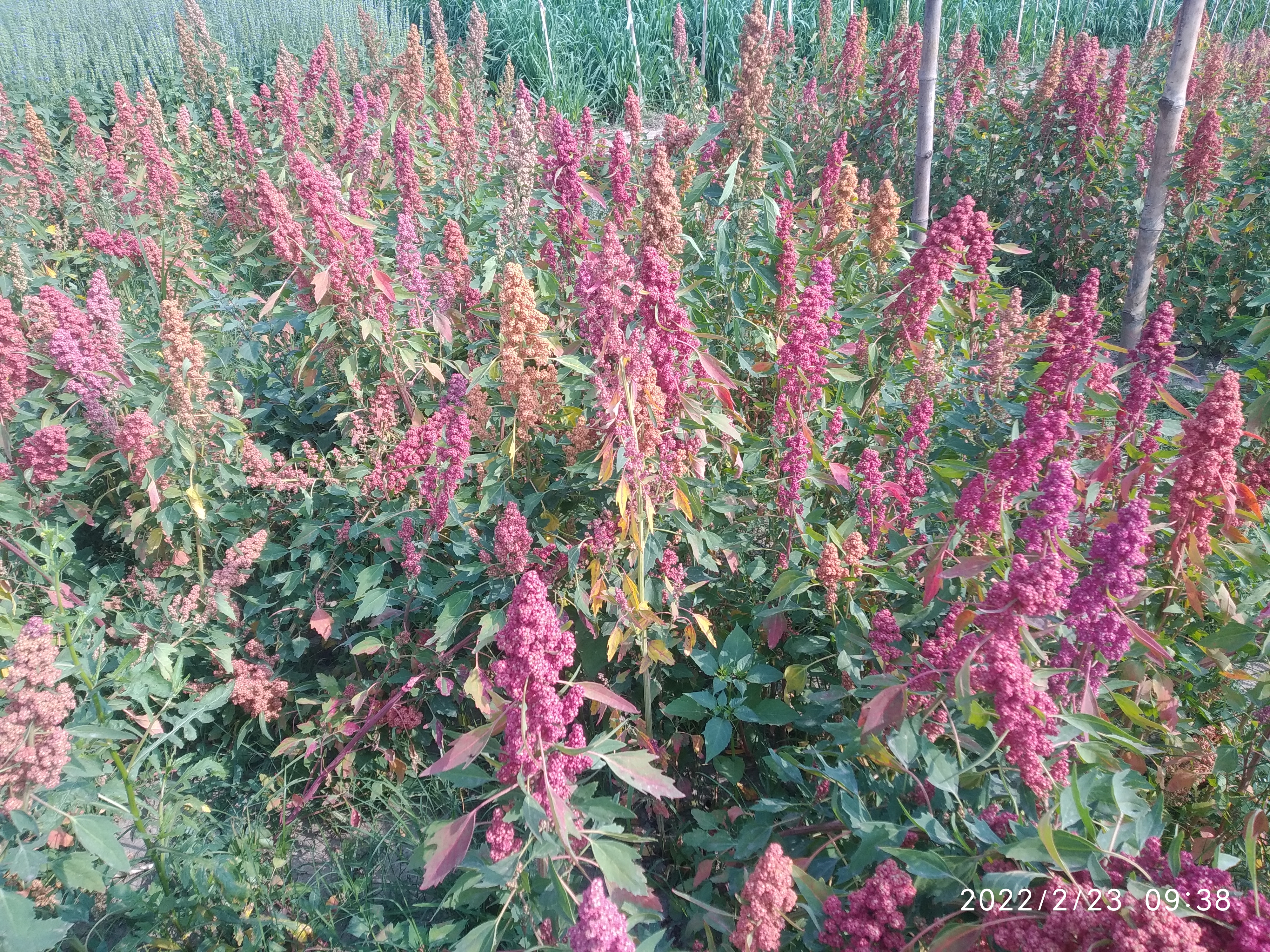
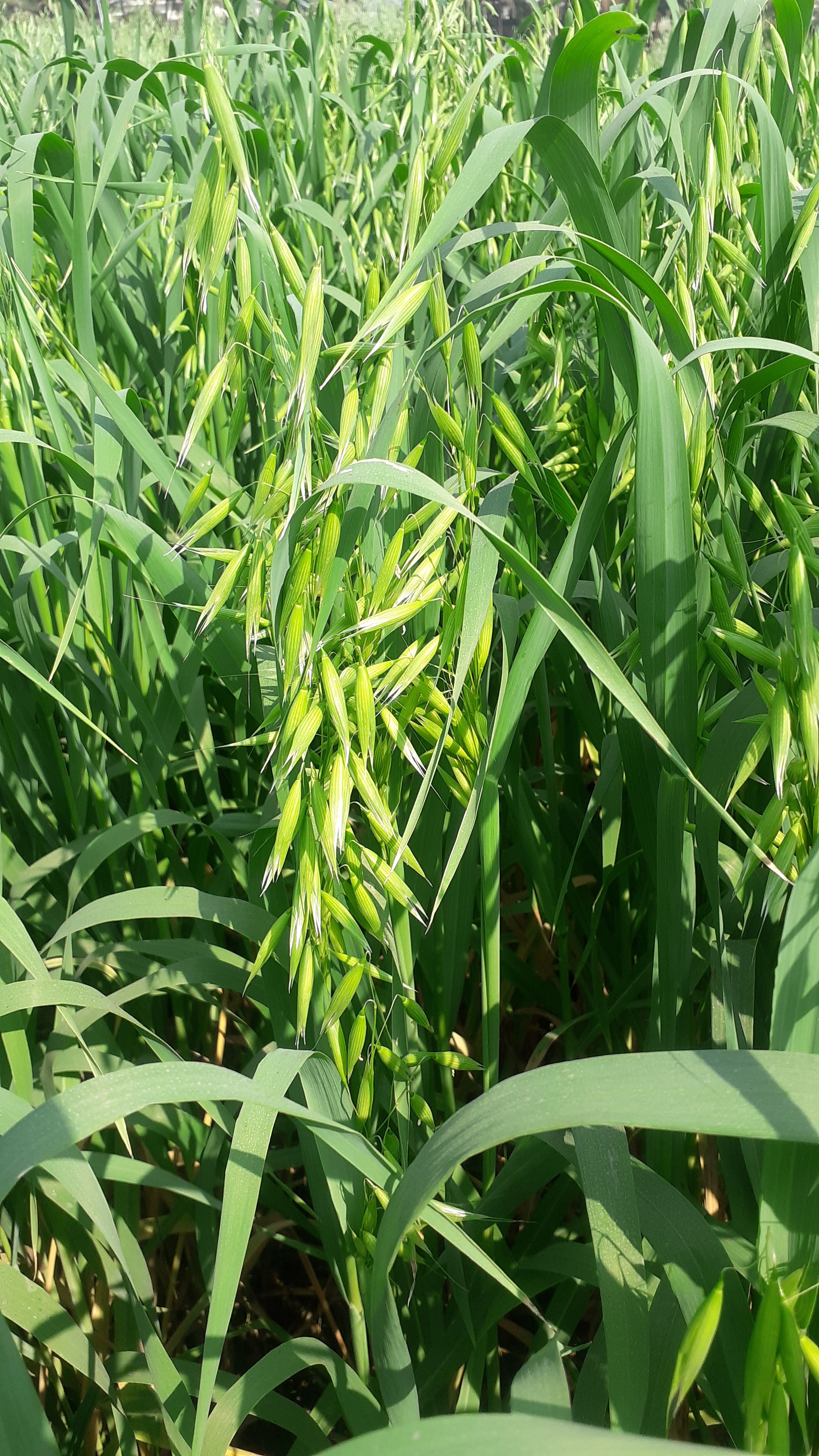
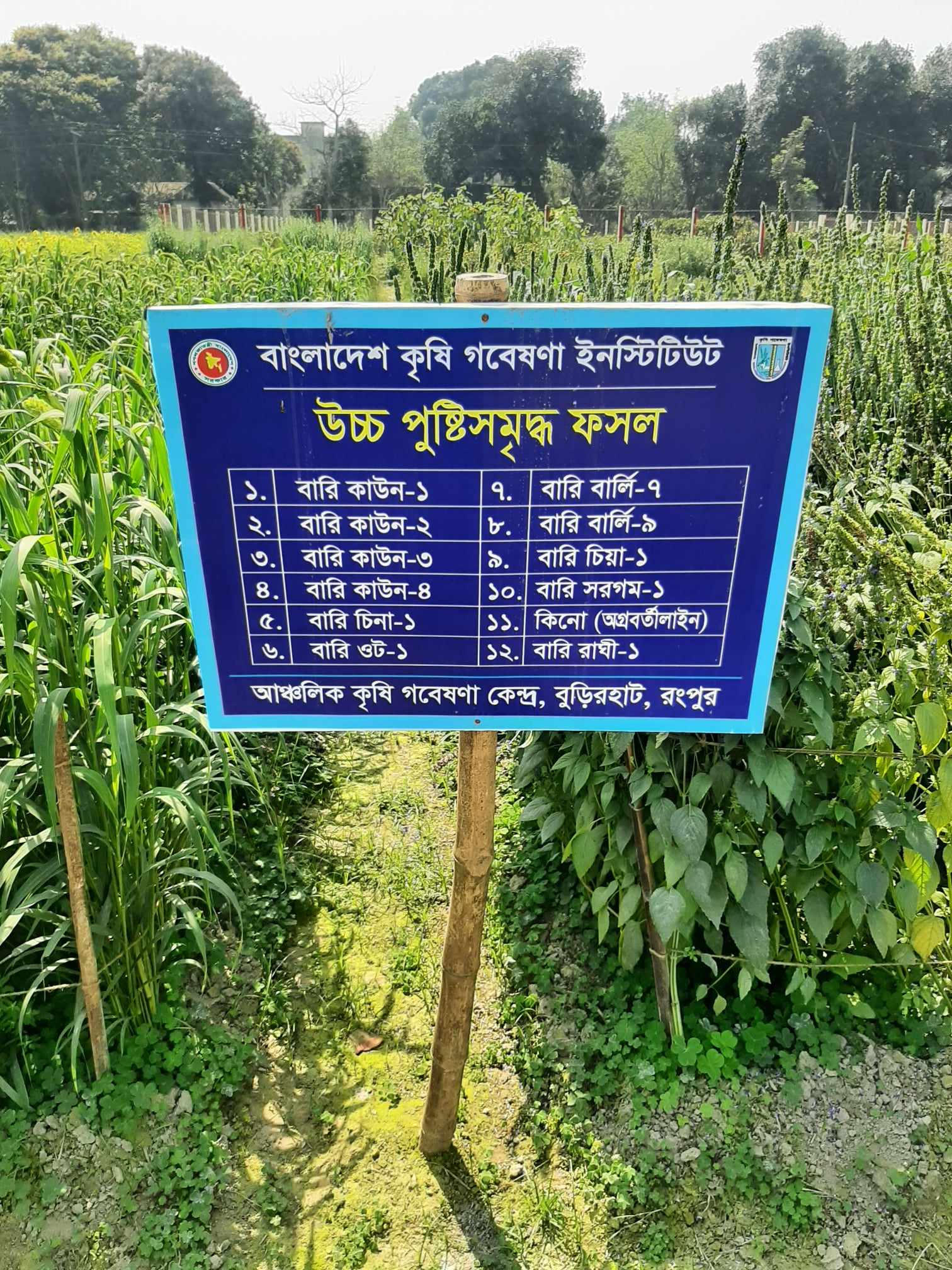
To date, PBD has developed ten barley, four foxtail millet, two proso millet, one sorghum, one finger millet (raghi), one chia, one buckwheat, one quinoa, and one oat variety. Currently, the major research thrust of the division is the development of high-yielding, location-specific, and stress-tolerant varieties of minor cereals. The division is conducting climate-smart research to cope with adverse climatic conditions and to meet the food and nutritional demands of Bangladesh, with particular emphasis on abiotic stress tolerance, including drought, heat, and salinity. Molecular characterization of existing germplasm is also ongoing to identify mechanisms of abiotic stress tolerance and to utilize problematic fallow areas for cropping pattern intensification. Although these crops are traditionally considered minor cereals in Bangladesh, they possess high nutritional and medicinal value and are now recognized by FAO as “nutri-cereals.”

Dr. Mohammad Motasim Billah
CSO
Plant Breeding Division
Gazipur
motasimbari@gmail.com